
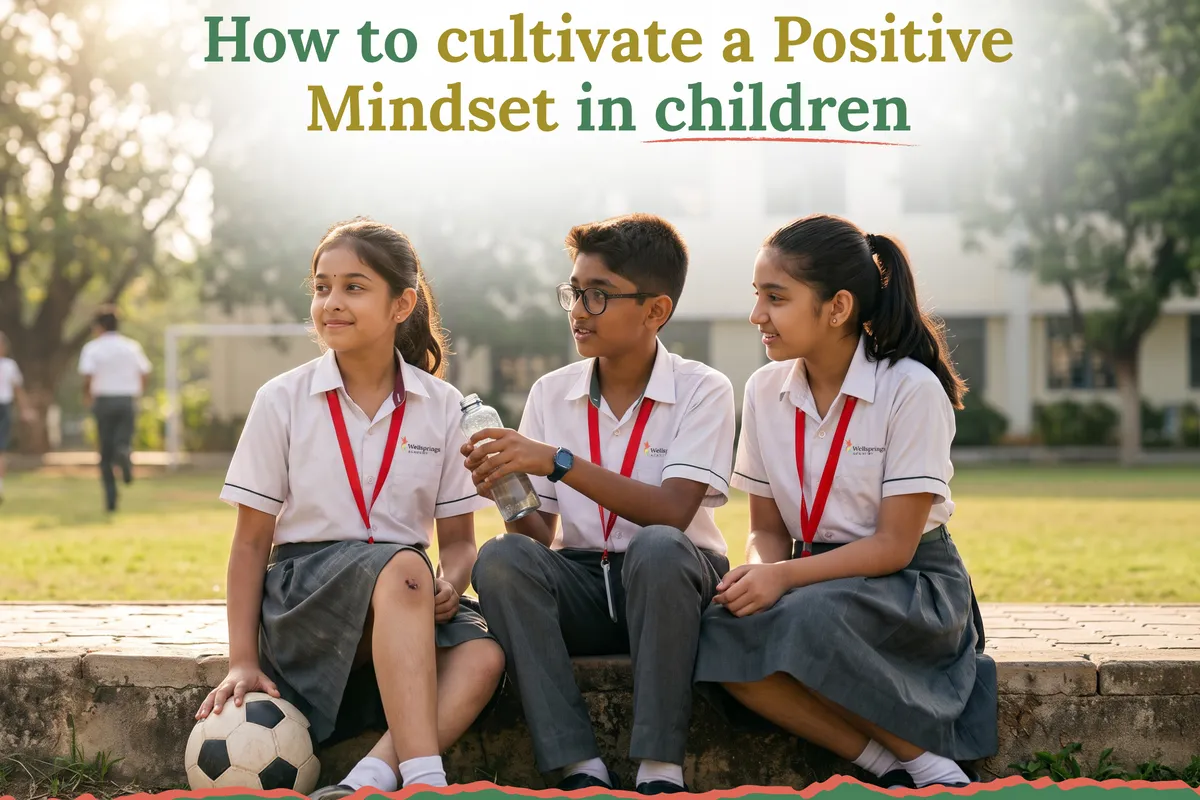
Positivity does not mean wearing a constant smile or looking cheerful every hour of the day. It describes a person's overall outlook on life and their habit of noticing what is good in it. Helping children think positively has nothing to do with asking them to be happy all the time or to hide anything unpleasant behind a polite face. A truly positive child takes in the good and the difficult together, and still chooses to be hopeful.
At its heart, raising a positive child means helping them see that they cannot always control what happens to them, or even the thoughts that arrive in their heads, but they can always choose how they respond. A positive mindset draws on several qualities.
Optimism is the willingness to make an effort and take a chance, instead of assuming that the effort will be wasted. Acceptance is the understanding that things do not always turn out the way we hoped. Resilience is the ability to recover from setbacks and failure and keep going. Gratitude is the habit of noticing and appreciating the good things in one's life. Mindfulness is the practice of paying conscious attention to the present moment, which sharpens a child's ability to focus. Integrity is the commitment to being honest, fair and straightforward, even when a shortcut looks easier.
Children grow more optimistic when they learn that positive beliefs tend to lead to better outcomes, and that those outcomes in turn strengthen a hopeful outlook on life. Simple, regular activities help this cycle take hold. If you are a parent, teacher, coach or anyone who spends time with children, these are well worth trying.
Guided meditation. A few quiet minutes of guided meditation help children tap into their natural capacity for calm and awareness. One gentle practice asks them to silently repeat kind phrases and send goodwill and warmth towards the people around them.
Helping others. Encourage your child to lend a hand whenever they can, whether that means carrying a bag for an elderly neighbour or helping a friend with homework.
Journaling. Ask your child to keep a "positive journal" and write down anything in their day that felt beautiful, surprising, wonderful or simply good.
Positive affirmations. Help your child set small goals, picture the path towards them and plan for the obstacles they might meet along the way. Simple affirmations such as "I am kind" and "I am enough" give them words to return to on harder days.
Quality time. Share your own good moments with your child. Laugh together, hug often and set aside time simply to be with them.
Recognising strengths. Notice what your child does well, and give them enjoyable, productive ways to use those strengths and develop them further.
Success of the Day. At the end of each day, ask your child to share one success. It might be helping someone, standing up for a friend, finishing a project or doing a small act of kindness.
Building a positive outlook never means asking a child to pretend. Positivity is an investment in oneself and a commitment to looking for the brighter side of life. Everyone feels low or thinks pessimistically at times, and that is perfectly normal. Children who learn to meet life's ups and downs with optimism, resilience and gratitude are far better prepared to handle change and challenge with ease.
At Wellsprings Academy, we see every child as a mind, a body and a heart, and a positive outlook is a large part of caring for the heart. Our classrooms are places where questions are welcome and mistakes are treated as part of learning, which gives children the room to try, fall short and try again. Yoga, sport, the arts and our Health & Wellness Club give them further ways to build confidence and calm alongside their academics. To learn more about our approach, explore wellspringsacademy.in. If you enjoyed this blog, we would love to hear your thoughts in the comments, and you can follow our social media pages for the latest stories from school.